BridgeLink

Wearable Device & UI/UX

Wearable Device & UI/UX

Assistive Technology

Assistive Technology

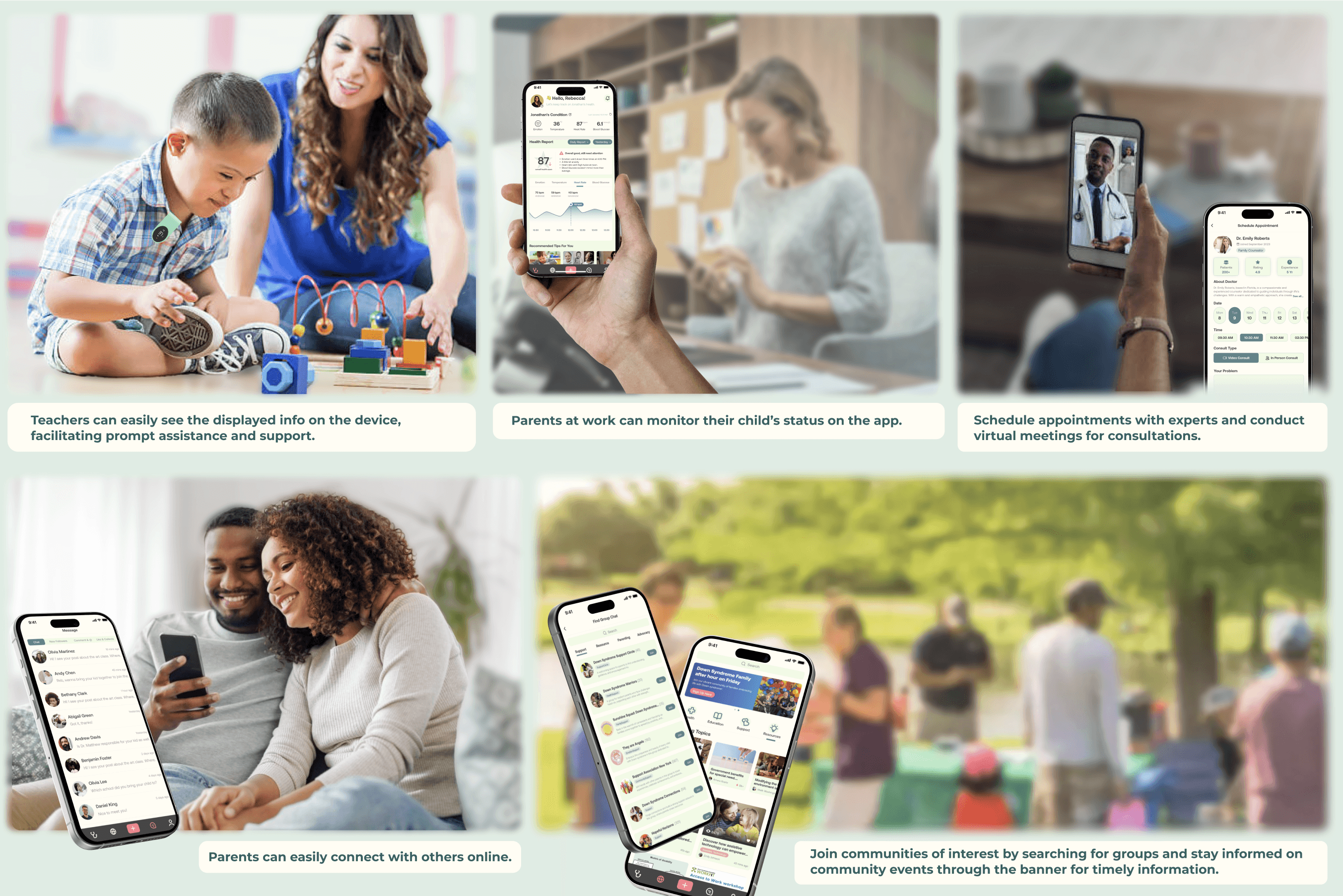
BridgeLink is a versatile wearable for children with Down syndrome that provides real-time health insights through an app. It helps caregivers track vital metrics, connect with professionals, and collaborate with educators and the community—promoting peace of mind and supporting the child’s well-being.

Team

Solo

Role

Product & UI/UX Designer

Duration

3 months

Tool Used
Project Context

Personal Exploration

Year

2024

Design Process

Pre-Research

Challenge

Challenge

1.

1.

1.

How to reduce the psychological stress of parents whose child has Down Syndrome?

2.

2.

2.

How to enhance the communication between parents and their child?

Insights

Insights

APP

APP

Intellectual Products

Intellectual Products

Track child's health data and join a supportive community

Track child's health data and join a supportive community

Calculate health metrics and displays them on the screen

Calculate health metrics and displays them on the screen

Highlights
Highlights
User Personas
User Personas

Product Design Research

Most smartwatches include magnetic closures, fitness tracking, waterproof capabilities, and phone connectivity. Some bands are also magnetic, sweat-absorbent, and resistant to dirt.
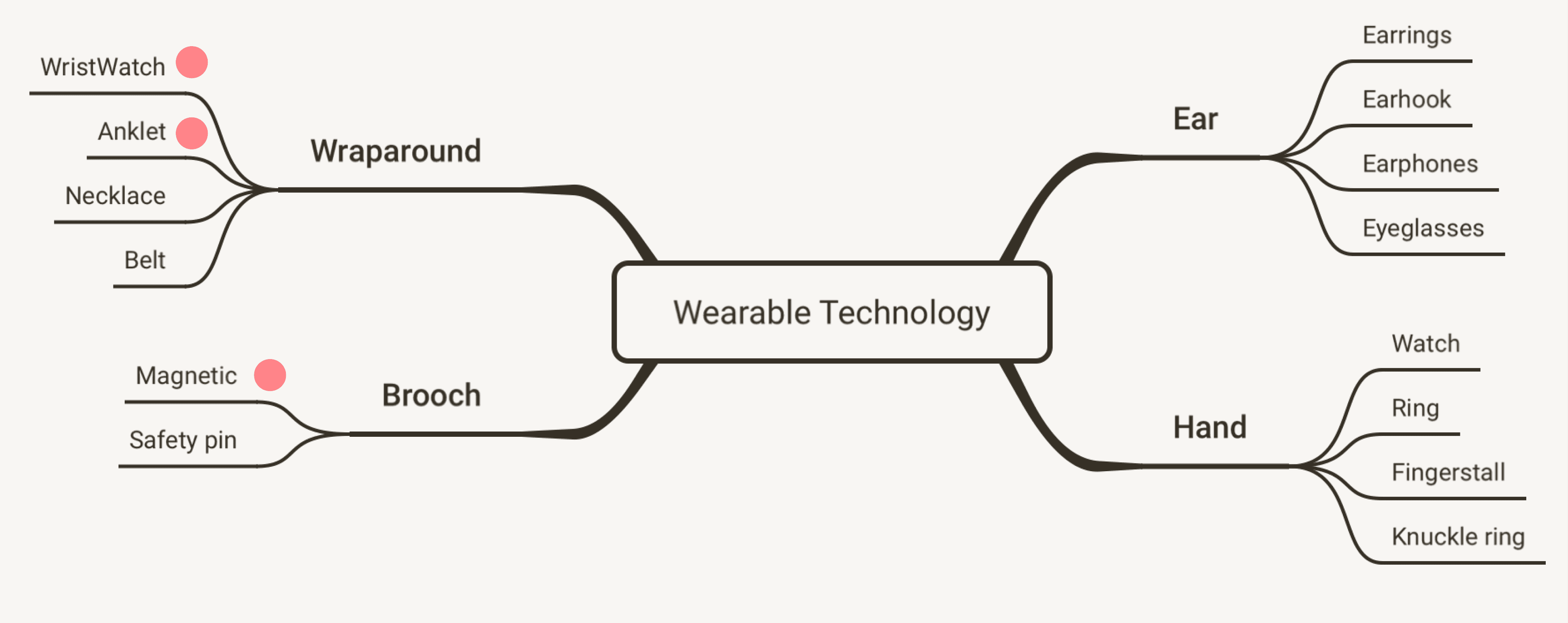
Based on the research above, I created a diagram illustrating potential directions for product variety. I aim to explore at least two of these directions, focusing on options that are comfortable and easy to wear.

Storyboard

Storyboard

Stage 1

Stage 1

Parents have no idea about their child’s health status.

Parents have no idea about their child’s health status.

Stage 2

Stage 2

Their child starts to wear the BridgeLink clip.

Their child starts to wear the BridgeLink clip.

Stage 3

Stage 3

When outdoor, their child wears the BridgeLink watch.

When outdoor, their child wears the BridgeLink watch.

Stage 4

Stage 4

It sends health data to parents and teachers.

It sends health data to parents and teachers.

Stage 5

Stage 5

Child becomes happier and healthier.

Child becomes happier and healthier.

Sketching & Prototyping

Final Product Design

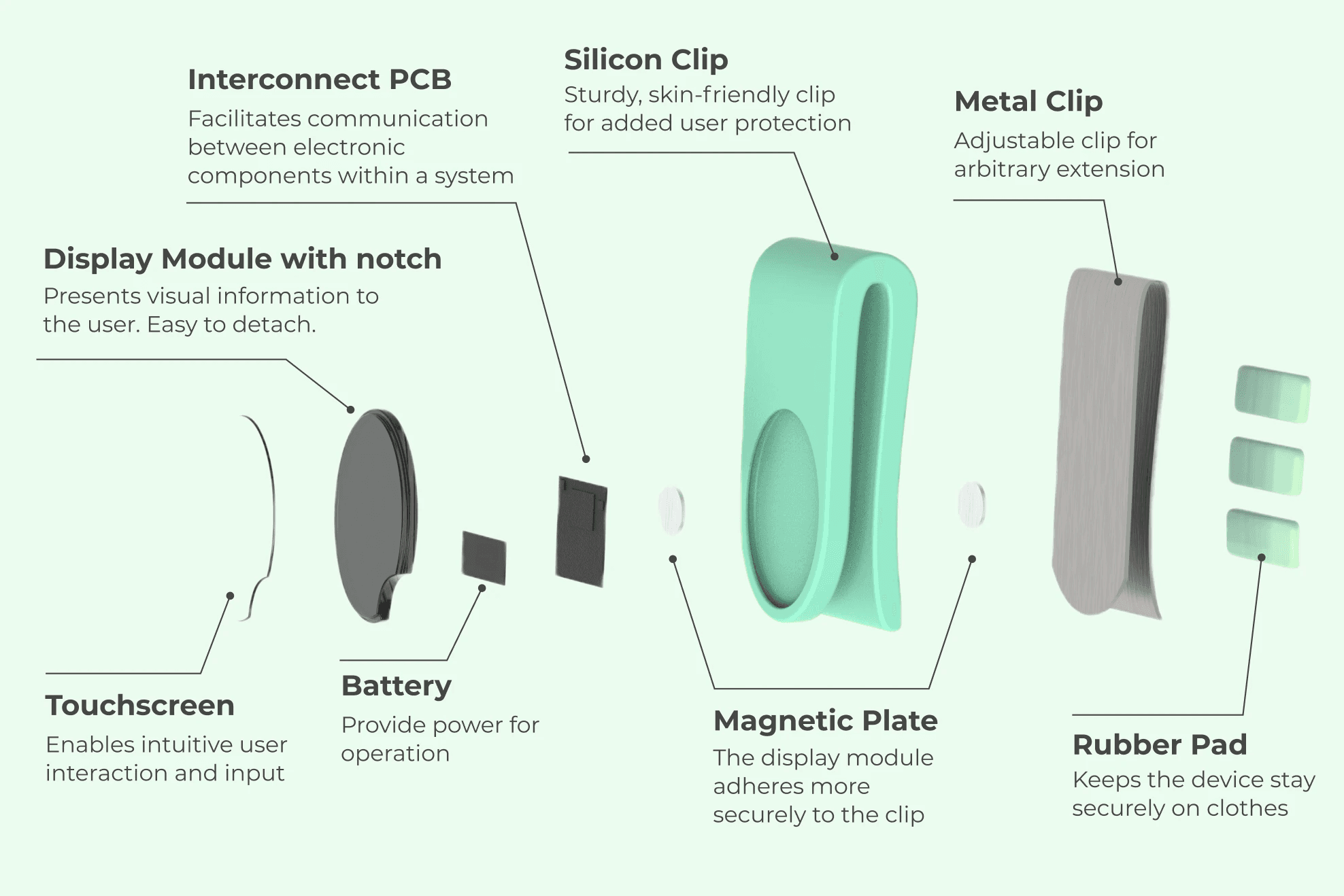
Multi-angle Showcase for Clip
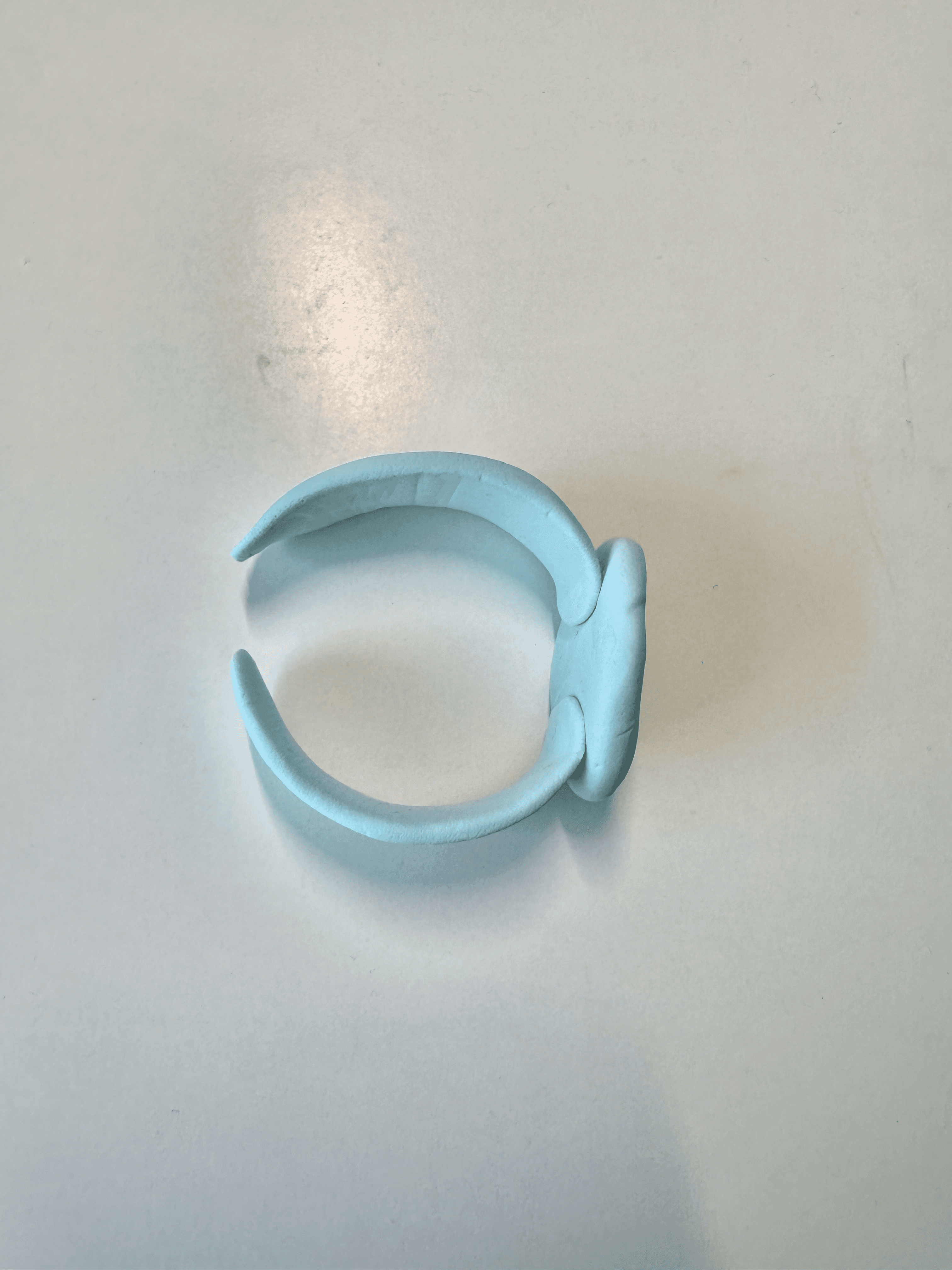
Multi-angle Showcase for Watch

App Design Research

Competitive Analysis
Design Solutions regarding to the competitive analysis
  1. Track and record health data by BridgeLink.
  1. Track and record health data by BridgeLink.
  1. Receive the notifications about the unstable condition.
  1. Receive the notifications about the unstable condition.
  1. Discover firsthand tips and posts in the resource community.
  1. Discover firsthand tips and posts in the resource community.
  1. Offer counseling service for parents.
  1. Offer counseling service for parents.
  1. Discover and join group chat to connect with other parents.
  1. Discover and join group chat to connect with other parents.
  1. Share, locate and categorize your posts.
  1. Share, locate and categorize your posts.
Information Architecture
Digital Wireframes
Design System

Final User Interface
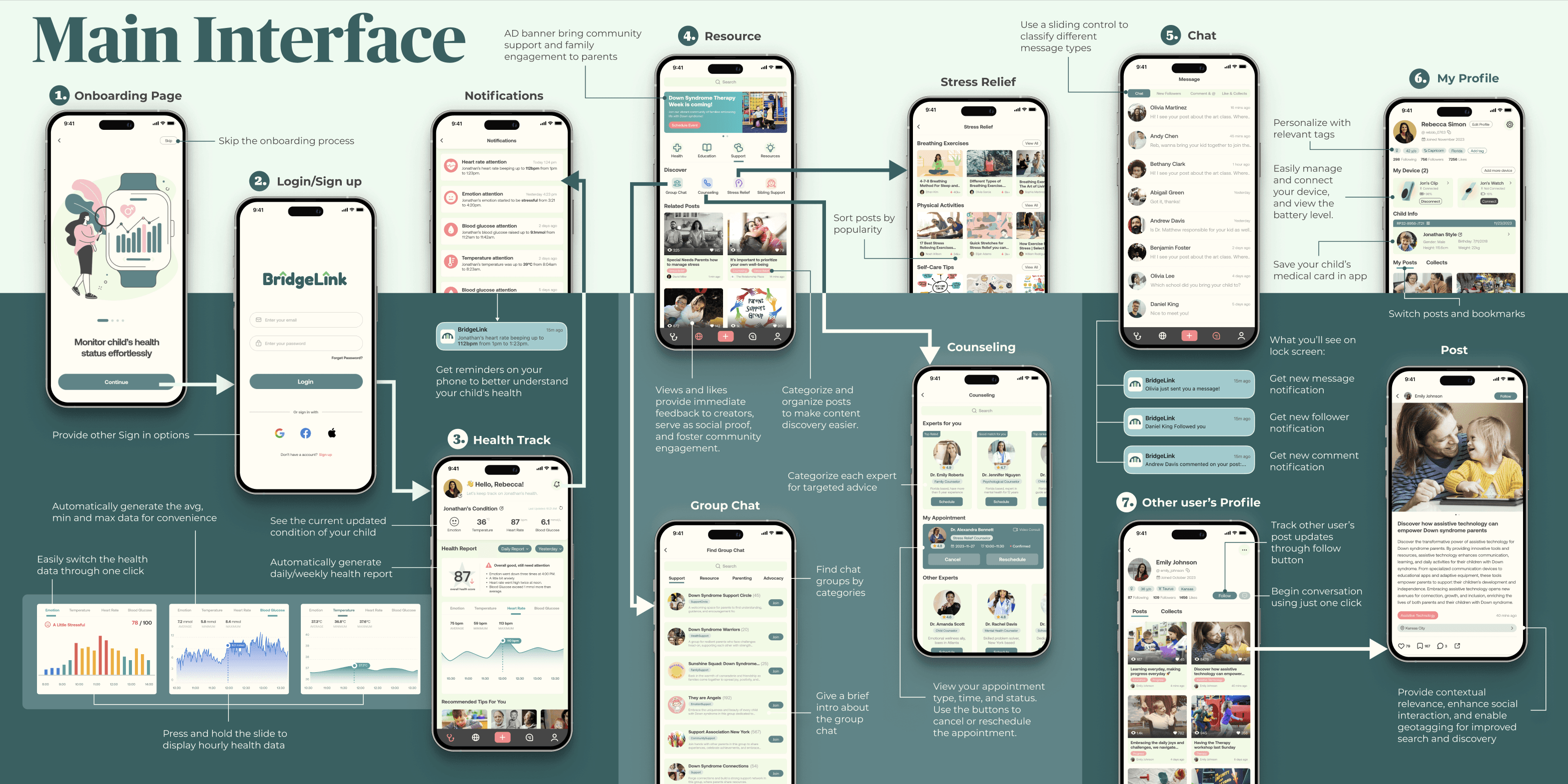
Final User Scenario
Final Video

Future Considerations

Takeaways

Designing this project taught me that meaningful health technology is not just about real-time data, but about how that data is shared, understood, and trusted. By framing BridgeLink as a collaborative ecosystem, including connecting caregivers, healthcare professionals, and educators, I learned how thoughtful information design and clear workflows can reduce anxiety, support decision-making, and create a sense of collective care around a child’s well-being.

Next Steps
  1. Validate key workflows with caregivers and professionals to refine collaboration and trust.

  2. Improve how health insights are summarized to prioritize clarity and actionable guidance.

  3. Expand accessibility and role-based features to support diverse care needs at scale.

© Annie Yu. Designed in New York.